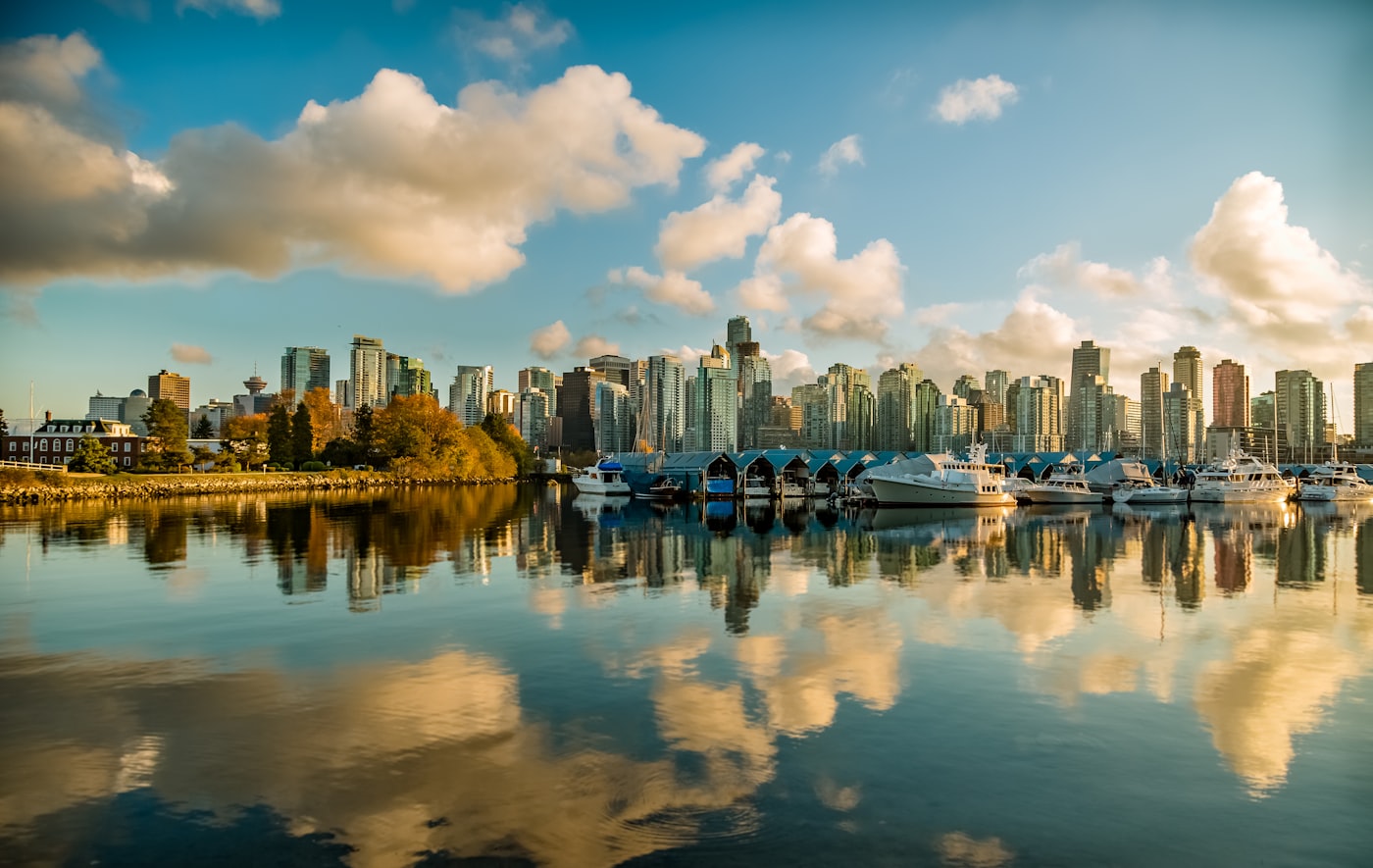
Vancouver is one of those cities that ruins other cities for you. I don't say that lightly. I've been to a lot of places, and most of them are great for specific reasons. Vancouver is great for almost every reason simultaneously — and once you've experienced that, a city that only does one or two things well starts to feel incomplete.
Fund your next trip to Canada and beyond. 2x miles on every purchase — simple, flat, effective.
Here's something that puts it in perspective: Vancouver is the only major city in North America where you can ski a world-class mountain in the morning, kayak a sheltered ocean bay in the afternoon, and eat your way through one of the continent's most diverse food scenes by evening. All without renting a car. That's not a brochure claim — I did it in January.
Understanding Vancouver's Geography
To really appreciate Vancouver, you need to understand where it sits. The city occupies a peninsula flanked by the Pacific Ocean to the west and the Coast Mountains to the north. The result is a skyline that has mountains behind it — actual snow-capped mountains, year-round — which creates one of the most dramatic urban backdrops anywhere in the world.
Stanley Park, the 1,000-acre old-growth forest that sits right next to downtown, exists because of a colonial-era military reserve that accidentally preserved the land. Walk the seawall trail that rings the park and you'll pass through thick Douglas fir and cedar, emerge onto rocky coastline, look across at mountains, and have the downtown skyline at your back. It takes about 90 minutes and recalibrates your entire sense of what a city can be.
The Food Scene You Didn't Know About
Vancouver's food culture is shaped by geography and demographics in equal measure. The city has the second-largest Chinese population of any city in North America outside of mainland China, and the culinary infrastructure that comes with that is staggering. Richmond — a suburb 20 minutes south — has been called the best Chinese food destination outside of Asia, and that's not hyperbole. The night markets there are worth a dedicated trip.
In the city itself, Granville Island Public Market operates like a greatest-hits album of Pacific Northwest food: Dungeness crab pulled from the boat that morning, artisan cheesemakers, Okanagan fruit vendors, and a rotating cast of bakers who take their craft extremely seriously. Get there before 10am. It gets crowded fast and the good stuff goes.
What to Know Before You Go
Vancouver's weather reputation is worse than the reality — at least in summer. June through September is genuinely spectacular: low 70s, long golden evenings, and almost zero humidity. The city's famous rain happens mostly in the fall and winter, and even then it's more of a persistent drizzle than a dramatic downpour.
The SkyTrain rapid transit system covers all the major areas visitors need — YVR airport to downtown in 26 minutes for $4.55. Skip the rental car unless you're heading to Whistler or the Fraser Valley. The city is walkable and bikeable in a way that makes driving feel unnecessary.
Go. It will change your benchmark for what a city should feel like.