The average traveler overpacks by 30%. That's not a statistic I made up — it's the consistent finding from luggage studies done by major airlines, and it tracks with every conversation I've had with other travelers. We bring too much because we're afraid of needing something we don't have. The fix isn't packing less — it's packing smarter, with gear that actually earns its weight.
The carry-on that fits under the seat. TSA-friendly, laptop sleeve, fully organized. My go-to on every trip.
Here's the kit I've landed on after years of iteration. Everything on this list has survived real trips — long-haul flights, desert heat, coastal humidity, crowded markets, and the chaos of navigating new cities with a camera in hand.
The Camera Setup
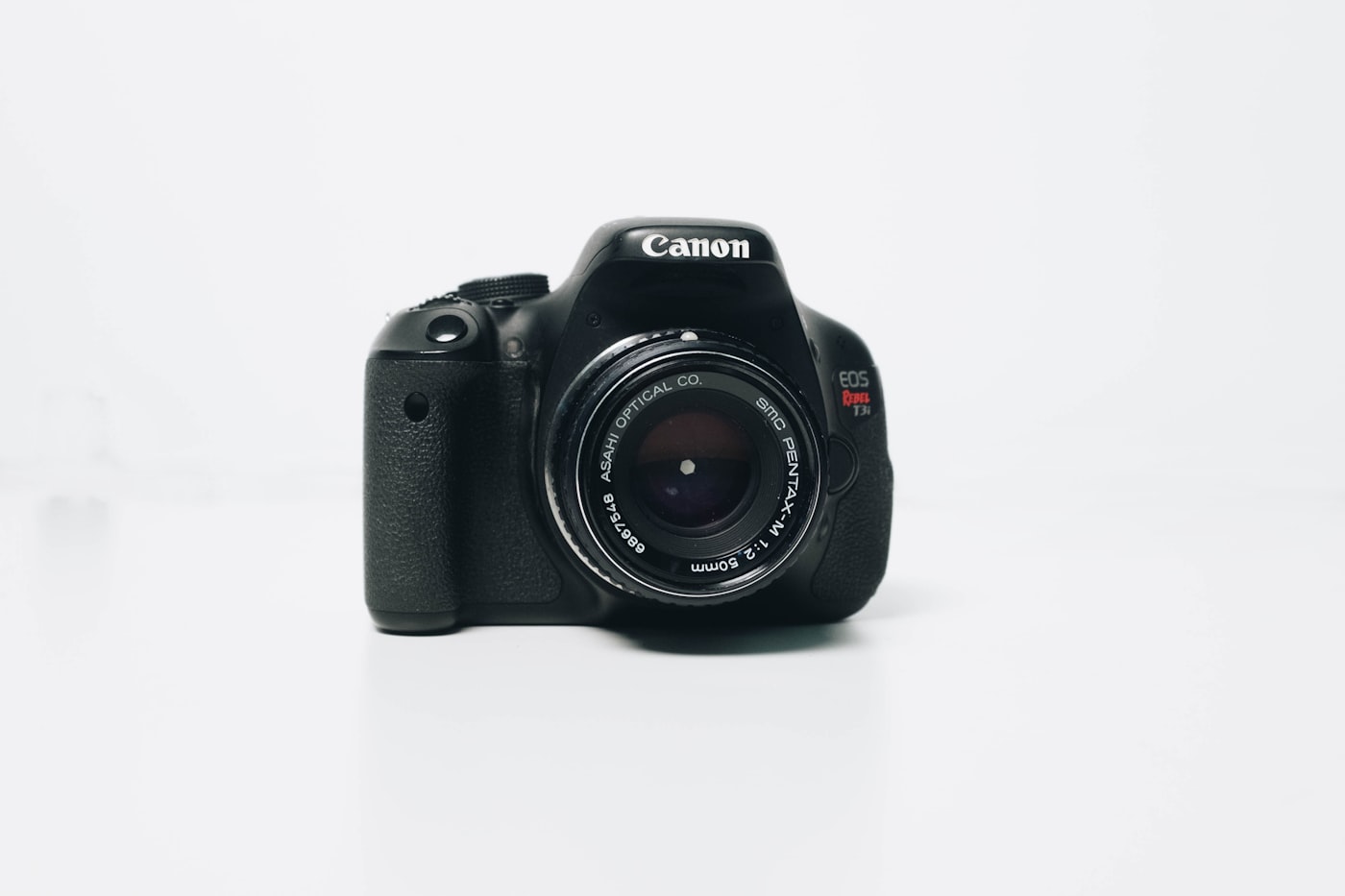
I shoot on a mirrorless camera body. The shift from DSLR to mirrorless changed my travel photography dramatically — the bodies are significantly smaller and lighter without meaningful sacrifice in image quality at most shooting conditions. The optical viewfinder isn't missed. The extra space in my bag is.
The lens I reach for on 90% of shots is a mid-range zoom — something that covers wide environmental shots and tighter portrait framing without a swap. On travel days, swapping lenses on the street is a recipe for sensor dust and missed moments. One versatile lens solves both problems.
A compact travel tripod is non-negotiable. Not a tabletop tripod, not a full studio rig — a proper travel tripod that reaches eye height, folds small enough for a side pocket, and deploys in under 20 seconds. Long exposures, night shots, self-portraits in locations where you can't hand the camera to a stranger — a good tripod opens up entire categories of shots that are otherwise impossible.
The Power Situation
Dead battery anxiety is real and preventable. My solution is a multi-port GaN charger — a single compact block that can simultaneously charge a laptop, phone, camera battery, and earbuds. GaN (gallium nitride) technology runs cooler and more efficiently than older charger designs, meaning the blocks are dramatically smaller for the same output wattage. One charger, everything powered, no wall adapter hunting at the hotel.
A 10,000mAh power bank lives in my daypack. That capacity hits the sweet spot: enough to fully charge most phones twice, compact enough to not feel like a brick. On shooting days when I'm out from morning to evening, it's the difference between getting the shot and watching my phone die at 4pm.
Organization Is the Real Hack
Packing cubes sound like a minor upgrade. They are not. The system I use: one large cube for clothes, one medium for tech and accessories, one small for cables and adapters. Everything has a place and goes back to it. Unpacking into a hotel room takes two minutes — open the cubes, distribute. Repacking takes three. I've cut my average packing time from 45 minutes to under 10.
A dedicated tech pouch keeps all cables, adapters, memory cards, and small accessories in one flat organizer. When I'm at a coffee shop or airport gate and need a specific cable, I'm not digging through a bag. I open one pouch. That's it. Sounds small. Saves real mental energy across a long trip.
The Coofay Backpack
This is the bag I've traveled with most in the last year. It opens fully flat for TSA screening without removing the laptop, has a dedicated camera pocket on the side that holds a mirrorless body with a lens attached, and fits under an airplane seat while still holding everything I need for a full day of shooting and working. The profile reads as professional rather than touristy, which matters in certain environments. Highly recommended.